Transform Your Space: The Ultimate Guide to Decorative Concrete Options
Decorative concrete has become a preferred option for enhancing residential and commercial spaces. Its capacity to emulate natural materials, combined with a range of customizable options, makes it a practical solution. Homeowners and designers alike value its longevity and low maintenance. Yet, the full scope of its potential often goes unrecognized. Investigating the various uses and methods could uncover innovative opportunities for any environment. What might these solutions involve?
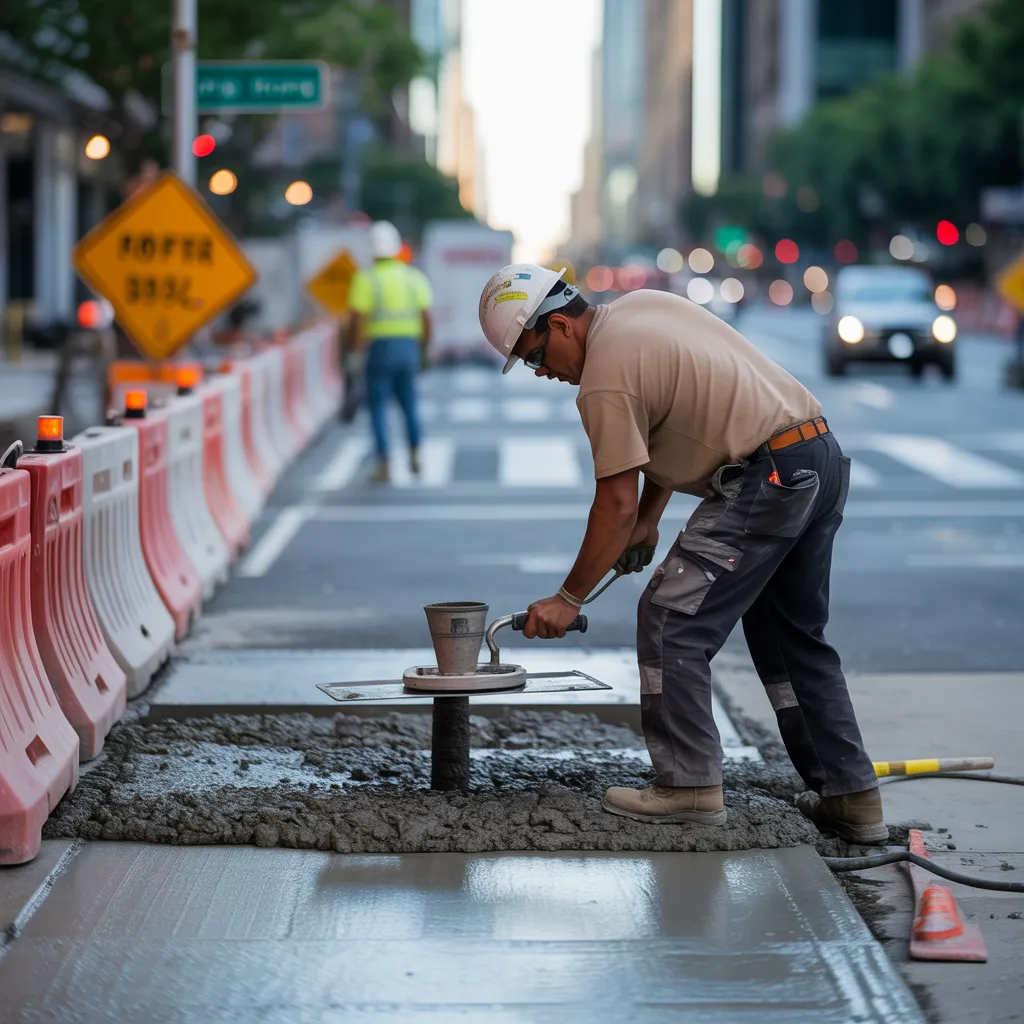
Why Go with Decorative Concrete for Your Home?
When property owners want to improve their living spaces, decorative concrete often emerges as a compelling option. This flexible material offers a unique blend of aesthetics and functionality, making it suitable for various applications both indoors and outdoors. One of its main benefits is the capacity to mimic natural materials, such as stone or wood, while retaining durability and low maintenance.
Additionally, artistic concrete can be personalized with colors, patterns, and textures, permitting homeowners to demonstrate their distinctive preferences. Its strength in weathering and wear boosts longevity, making it a prudent investment for those aiming to upgrade their property.
In addition, decorative concrete can provide cost-effective solutions for revitalizing current surfaces, eliminating the need for costly replacement options. As a result, it stands out as a practical choice for anyone seeking to enhance their property's visual attractiveness without compromising resilience and maintenance demands.
Practical Ways to Implement Decorative Concrete
Numerous useful applications exist for decorative concrete, making it a flexible choice for homeowners. This material can improve both indoor and outdoor areas, providing aesthetic appeal and functionality. For driveways and patios, decorative concrete can be embossed or colored to resemble natural stone or brick, offering a stylish touch while guaranteeing durability. In gardens, decorative concrete curbing offers a clean, defined edge that complements landscaping efforts.
Within the residence, finished concrete flooring are increasingly popular for their modern look and minimal upkeep needs. Ornamental concrete can also be utilized in counter surfaces, offering a unique surface that can be customized with different hues and patterns. Outdoor fireplaces and outdoor kitchen areas benefit from ornamental concrete for both structural integrity and aesthetic appeal. By integrating ornamental concrete into various aspects of residential design, homeowners can achieve a cohesive look that enhances their living spaces.
Making Your Surface Ready for Decorative Concrete
Getting ornamental concrete into your home design demands meticulous ground readiness to ensure optimal results. The first stage involves thoroughly cleaning the area, eliminating any dirt, oil, or waste that may hinder bonding. Power washing is often effective for outdoor areas, while interior rooms may need brushing and sweeping.
Following that, determining the condition of the current concrete is essential. Cracks and imperfections should be repaired using appropriate fillers to create a level base. If the surface is uneven, grinding and leveling solutions may be necessary to obtain the desired flatness.
Ultimately, using a primer base can strengthen the bond between the current concrete surface and the protective coating, promoting longevity and durability. By following these preparatory steps, property owners can create an excellent foundation for their ornamental concrete work, ensuring a gorgeous and permanent finish that transforms their space.
Top Methods for Striking Ornamental Concrete Applications
A range of approaches can convert plain concrete into visually striking surfaces, enhancing both aesthetic appeal and performance. One common method is tinting, which penetrates the concrete to produce intense, dynamic tones that replicate natural stone. Another method, stamping, involves pressing molds into wet concrete to recreate patterns like brick or slate, offering an elegant finish.
Polishing is also gaining traction, offering a sleek, glossy look while enhancing durability. For those looking for a more artistic touch, decorative overlays can add detailed patterns or designs, providing concrete a unique flair.
Lastly, etching offers the possibility of carving fine patterns inscribed in the surface, delivering distinctive artistic creations. Each of these techniques not only refines concrete but also strengthens its endurance, making decorative concrete a practical option for many different uses.
How Much Money Should You Set Aside for Decorative Concrete?
Decorative concrete techniques improve both the visual appeal and strength of surfaces, but understanding the financial implications is essential for homeowners and contractors alike. Planning for decorative concrete involves several factors, including materials, labor, and project scope. On average, costs can range from $3 to $12 per square foot, based on the complexity of the design and the type of finish chosen.
Basic staining or stamping tends to be budget-friendly, while intricate designs or specialty finishes may significantly raise expenses. Additionally, property owners should consider likely supplementary expenses, such as surface preparation and protective coating.
It's wise to request multiple quotes from trusted professionals to ensure a competitive price. Planning for a budget that covers both expected and unexpected costs will lead to a successful project, ultimately enhancing the aesthetic appeal and functionality of the space.
Maintaining Your Decorative Concrete for Longevity
Keeping decorative concrete in good condition is vital for maintaining its durability and aesthetic appeal throughout time. Consistent cleaning routines, effective sealing techniques, and immediate fixes of structural wear serve key functions in this maintenance. Grasping these aspects can greatly extend the longevity of decorative concrete applications.
Regular Cleaning Habits
To preserve the look and condition of decorative concrete, regular cleaning practices are essential. Regular maintenance not only boosts the appearance but also extends the lifespan of the surface. Sweeping or using a leaf blower removes dirt and debris, avoiding stains and damage. For deeper cleaning, a mild detergent blended with water is effective at tackling stubborn stains. It is important to avoid harsh chemicals that can erode the finish. Pressure washing can be advantageous for larger areas, but care must be taken to control the pressure to prevent surface damage. Regular inspections should be done to identify any areas needing special attention, ensuring the decorative concrete remains both functional and aesthetically pleasing over time.
Sealing Methods Detailed
Regular cleaning routines establish the basis for successful sealing techniques, which are essential in prolonging the durability of decorative concrete. Proper sealing prevents moisture entry, thereby reducing the risk of damage from freeze-thaw cycles and chemical exposure. A variety of sealers exist, including penetrating, topical, and hybrid types, each providing distinct advantages. Penetrating sealers absorb into the concrete for a real finish, while topical sealers build a protective layer on the surface, improving appearance and gloss. Regular reapplication is crucial, typically every one to three years, based on environmental conditions and traffic. By utilizing the right sealing techniques, property owners can shield their investment, ensuring decorative concrete stays both practical and visually appealing over time.
Repairing Surface Problems
Common repair methods involve sealing fractures with epoxy or polymer-based compounds, which bond effectively to the substrate. For larger damage, resurfacing with a decorative overlay can return the appearance while offering added protection. Consistent upkeep, such as cleaning and resealing, is essential to prevent future damage. By focusing on restoration, homeowners can guarantee their decorative concrete stays long-lasting and vivid for many years ahead.
Remarkable Creative Concrete Project Demonstrations
Decorative concrete has changed countless spaces, highlighting its flexibility and design beauty. One significant project encompasses a residential patio, where pressed concrete reproduces natural stone, offering an elegant outdoor setting. This design not only elevates the visual appeal but also raises the property's value.
Business venues saw a downtown café adopt colored concrete for its flooring, joining functionality with style. The striking shades provide a welcoming atmosphere, capturing customers while upholding durability.
One more compelling example is a public park featuring ornamental cement paths and seating that embed creative designs. This thoughtful arrangement enhances the communal space, inviting guests to stay and appreciate their surroundings.
Additionally, many property owners are selecting decorative overlays on their driveways, allowing for personalized designs that distinguish themselves in the neighborhood. These examples show the infinite options that decorative concrete supplies, making it a favored choice for both residential and commercial projects.
Popular Inquiries Asked Often
Should I Lay Decorative Concrete Myself or Hire a Professional?
You can set up decorative concrete independently, provided you have the necessary skills and tools. Nevertheless, bringing in a specialist often provides a better quality outcome and compliance with safety standards, making it a safer choice for many.
What Styles of Aesthetic Concrete Options Are Accessible?
Assorted decorative concrete patterns feature stamped, stained, polished, and engraved designs. Each presents unique aesthetic appeal, facilitating modification in residential and commercial spaces, accentuating design character while furnishing robust, practical finishes.
Ornamental Concrete Durability: Learning about Its Lifespan
Decorative concrete generally endures 20 to 30 years, contingent on elements such as installation quality, upkeep, and environmental conditions. Regular care and sealing can prolong its life span, ensuring both aesthetic appeal and durability over time.
Does Embellished Concrete Perform Well for Exterior Use?
Decorative concrete is certainly appropriate for exterior applications. Its strength, weatherproofing capabilities, valuable guide and range of design options make it an excellent choice for patios, driveways, and pathways, providing both practicality and aesthetic appeal.
Is Ornamental Concrete Fixable When Harmed?
Yes, ornamental concrete can be repaired if damaged. Various approaches, such as filling and refinishing, can return its functionality and appearance, ensuring strength and prolonging the lifespan of the finish. Regular upkeep helps avoiding additional problems.